Pay to Apply? Finland’s Universities Are Bringing a Big Change
Author : Vignesh Reddy Kandi
Many international Universities from different countries are already doing it but in a way, I kinda like and dislike Finland bringing this change — Let me explain why
Note: The Finnish government proposed introducing application fees in May 2024 as part of amendments to the Universities Act and the Universities of Applied Sciences Act.
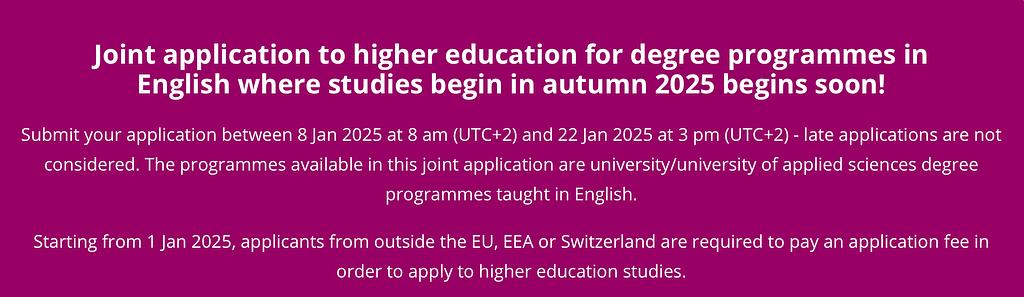
The new law will start on October 1, 2024, but the part about charging application fees won’t begin until August 1, 2025. This means that students will need to pay these fees for the application period that begins in January 2025 or later to studies begin in August 1, 2025.

In a way this seems to be fair game : Every year universities receive many applications like in 1000’s and it takes lot of time to go through them, In some cases they even organises some entry exams and interviews to select students into particular program. From the perspective of those who manage the applications, charging an application fee seems fair it helps filter out non-serious applicants straight away. I think the fee can encourage applicants to be more careful and thoughtful when applying since they would lose their money if they don’t make it.
But in another way, a lot has been happening in Finland from the past few months like unemployment, a lack of opportunities, and a negative image of Finland being portrayed in social media and news articles as a country that’s tough on immigrants. This mandatory application fee might discourage some talented people who are already a bit hesitant due to these issues. Many could decide to look elsewhere, choosing countries with better immigrant reforms. Ithink they might lose out on a set of quality applications even before the process even begins.
And Finland has this system called the joint application, where students can apply to multiple universities with just one application usually in december or January. It’s a convenient way and most of the people apply during this period. this could impact the number of applications universities receive. Since applicants would need to pay the fee regardless of how many programs they apply to, they might become more selective, reducing the overall number of applications this might improve the quality of applications.
In 2022, I worked as a student tutor, and I was surprised to see that there were 95 students admitted to the computer applications program and number far higher than my university could comfortably accommodate. When I spoke to the guidance counselor about this, she explained that they were required to accept all eligible applicants, even if it exceeded their capacity (They increased their capacity after that). This wasn’t a one-time thing; the same situation (people admitted)repeated in 2023 and 2024.
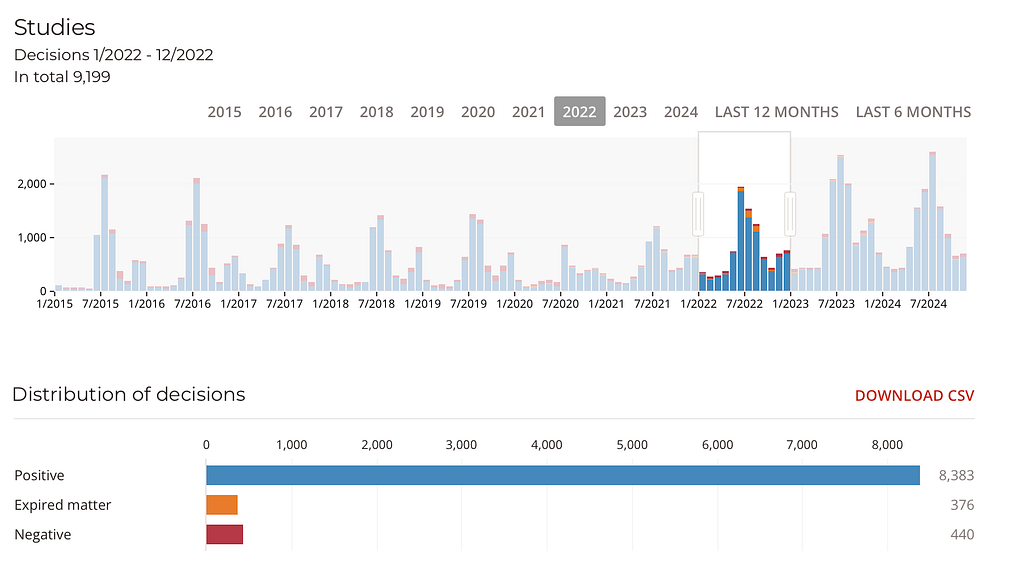
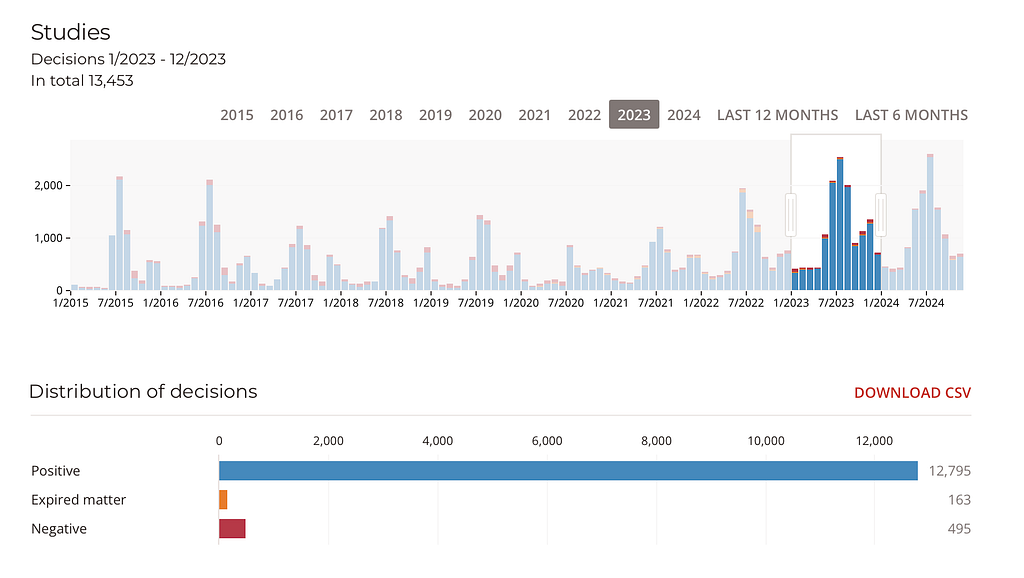
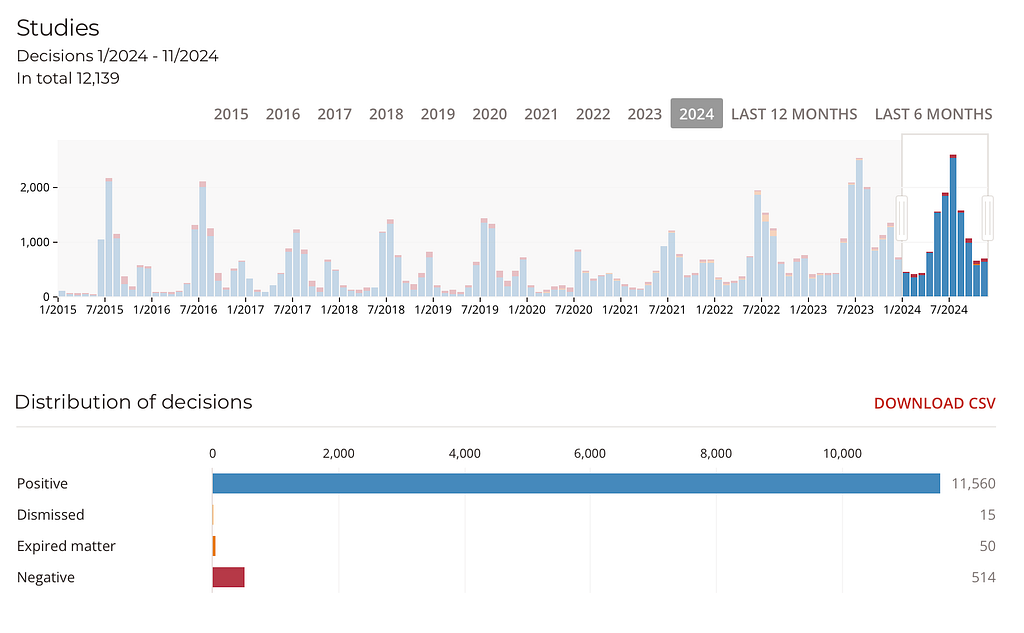
This led to a significant number of unqualified or unmotivated students being admitted. With Finland’s rising unemployment, the issue became even more complicated, with many students taking jobs in industries unrelated to their studies. Some even ended up in completely different fields.
Some Good Things :
- The application fee is 100 euros. (If you already paid application fees in another round you don't need to pay again)
- The fee is valid for study programs organised for that period.
- After paying the application fee, you can apply in all applications in which studies start in the same academic term.
- You can check full information about application fee from here
Also finland made some changes to tuition fee structure:
Before December 2024, it used to be like people who converted from student permit to work permit got exempted from paying fee. and lot of people have been using this process to get exemption from paying fee. But starting from December 2024, people who came to finland (already in or coming to) on basis of study permit are still required to pay tuition fee, doesn't matter if they change their permit.
Additionally, Finland used to allow spouses of students — who were granted residence permits based on family ties and they used to get exemption from paying tuition fees. Now, even they are required to pay tuition fees, a change that some people are not so happy about.

At least not now, but previously, many international students benefitted from Kela by applying for some kind of social assistance. However, the rules have changed. Now, if a student applies for social assistance, their student residence permit could be revoked, and they may face deportation. Kela is also required to inform Migri either on its own initiative or upon request for information.

Long-Term Implications :
- Reduced Talent pool : Finland actually depends on international talent in many industries and this kind of rules could effect in long go that less work force in some industries. You can checkout my podcast with Viivi from herizon to know how finland needs international talent
- Fewer Graduates Staying in Finland : Even before the law there are situations where some internationals are leaving finland in search of better employment and good life.
- Smaller, More Dedicated Student Base: With stricter filtering, the number of students may decrease, but those admitted could be more dedicated and aligned with their study goals.
- Need to face Heavy competition : Neighboring countries offering free or low-cost education might attract the talent Finland loses, reducing its competitiveness.
Source : https://yle.fi/a/74-20022258
These are some anynomous public comments on this issue :
- I want to study in a country where I feel welcomed and supported. While Finland’s education system is excellent, the introduction of application fees, higher tuition costs, and stricter policies make it less appealing compared to countries like Germany or Norway, which still offer free or low-cost education.
- Finland is giving me the USA vibes, at least it had Harvard level universities and Silicon Valley and on top strong Return of Investment.
- I am happy that finland at least doing this now, i am tired of seeing unworthy students in my class.
- I would neither support nor disobey this, Governement knows its impact and then the bill is passed so i completely respect this.
- This will be all over the EU as the thresholds are already over passed in terms of immigration.
- I am happy that this stops mass immigration on study purposes, not anti immigrants but i love if they prefer quality over quantity.
Since its an anynomous survey, i wont reveal the identity of people who passed this statements.
My Suggestions :
- Join Student Unions : Many Finnish universities have student unions that advocate for policy changes. International students can raise their concerns through these channels.
- Feedback to Universities: Share constructive feedback with universities, especially if fees or policies feel prohibitive.
- Be Selective: Since fees apply to each application period, carefully choose study programs and universities that best align with your career goals.
- Maximize the Joint Application: Use Finland’s joint application system to apply to multiple programs with a single fee.
- Regularly check official websites like Migri and Studyinfo.fi for updates on application fees and tuition fee policies.
- Follow news articles or university announcements to stay ahead of any changes.
TL;DR:
Starting in January 2025, students in Finland will have to pay €100 for each application period. There are worries about how this policy would affect Finland’s position as an important source for open educational opportunities, even though its goals are to filter out inappropriate candidates and reduce administrative workloads. The controversy has been exacerbated by changes to tuition pricing structures and more stringent immigration laws, such as the removal of exemptions for spouses or work permit holders from paying tuition(If they had student residence permit while coming to Finland). Some believe that these modifications may discourage talented foreign students, reduce Finland’s ability to compete, and result in a more limited but discerning student body. In order to adjust to these changes, students are encouraged to join student unions, optimize joint applications, keep informed, and give colleges feedback.
Resources :
- Application Fees and Joint Applications
- University of Helsinki Guidelines
- General Tuition Fee Policy Changes
- Migri (Finnish Immigration Service)
This post was first published on Medium ↗
Thoughts on this? Say hi →